 +91-7889218355

 SCO 7 , First Floor, Gold Homes Sector 116 Sahibzada Ajit Singh Nagar, Punjab 140307 India
Dry Needling Therapy
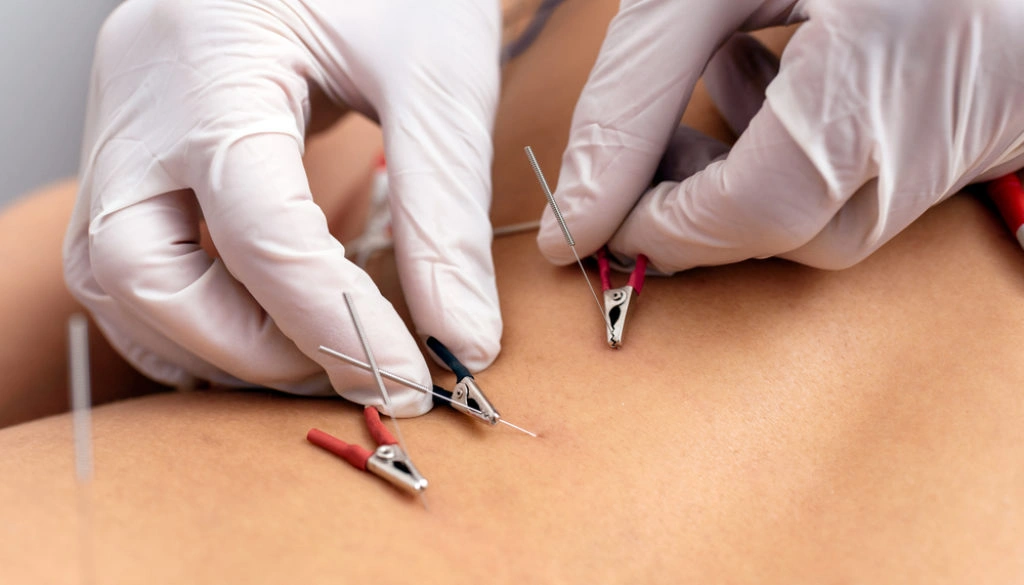
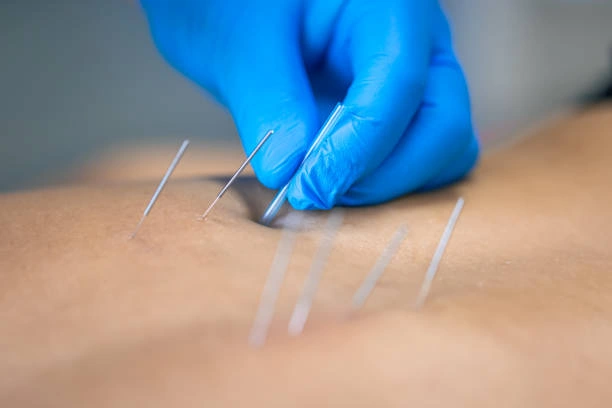
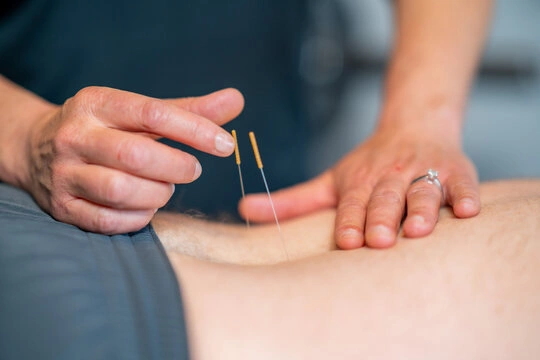
Dry needling is an advanced physiotherapy technique used to relieve muscle pain, stiffness, and tension by targeting trigger points (tight muscle knots). Using thin, sterile needles, our experts stimulate affected muscles to release tension, improve blood flow, and promote natural healing.
This therapy is highly effective for patients suffering from chronic pain, sports injuries, or muscular imbalances. It works by reducing inflammation, restoring muscle function, and accelerating recovery—helping you return to your daily activities pain-free and stronger.
Conditions Treated & Symptoms
Dry needling is beneficial for a wide range of musculoskeletal conditions and pain-related issues, including:
- Neck & Back Pain: Relieves chronic stiffness and muscle tightness.
- Sports Injuries: Helps in faster recovery from muscle strains and overuse injuries.
- Shoulder Pain: Effective in conditions like frozen shoulder and rotator cuff issues.
- Headaches & Migraines: Reduces tension-related headaches caused by muscle knots.
- Joint Pain: Supports recovery in knee, hip, and elbow pain by relaxing surrounding muscles.
Our Approach to Treatment
Our physiotherapists follow a precise and patient-focused approach to ensure safe and effective dry needling sessions tailored to your condition.
- Trigger Point Identification: Locating tight muscle bands responsible for pain.
- Targeted Needling: Using fine needles to release muscle knots and tension.
- Pain Relief & Muscle Relaxation: Immediate and long-term reduction in discomfort.
- Improved Mobility: Enhancing flexibility and range of motion.
- Combined Therapy: Integrating exercises and physiotherapy techniques for lasting results.
Dry Needling FAQs
Get answers to common questions about dry needling therapy, its benefits, safety, and what to expect during treatment.
Most patients feel minimal discomfort. You may experience a slight twitch or mild soreness, which is a sign that the muscle is responding to treatment.
Dry needling is based on modern medical science and targets muscle trigger points, while acupuncture is based on traditional Chinese medicine and focuses on energy flow.
The number of sessions depends on your condition. Some patients feel relief in 1–2 sessions, while chronic issues may require multiple treatments.
Mild soreness or slight bruising may occur after treatment, but it usually subsides within 24–48 hours.
Patients with bleeding disorders, infections, or fear of needles should consult a physiotherapist before opting for this treatment.